How to use case studies to get visible in the media
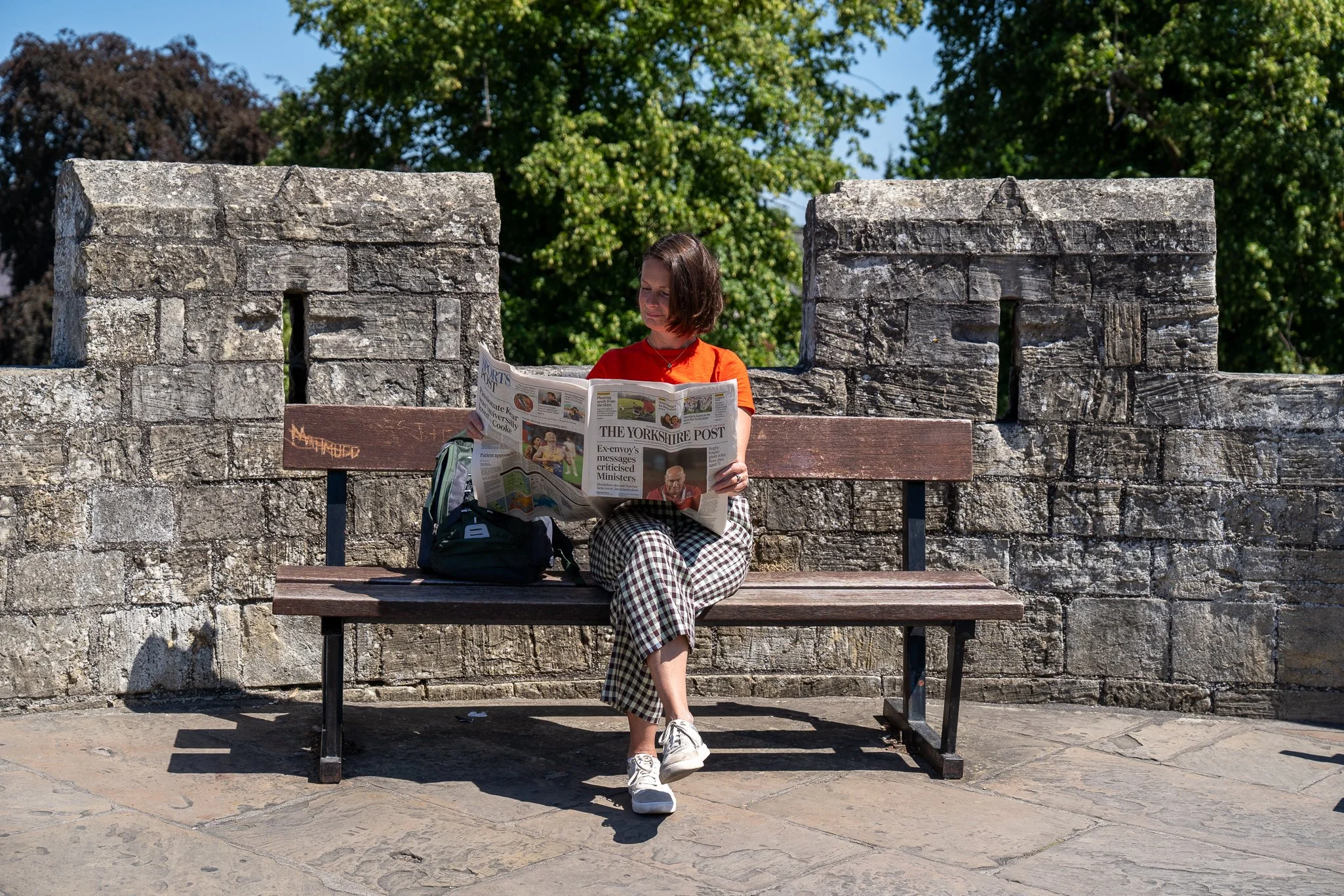
Journalists need case studies every day.
Ever thought, I must get better at that....?
For me, it's asking clients for testimonials. It’s something that can easily get forgotten at the end of a project or PR campaign.
But I decided to up my game recently after reading a recent article in Freelancer Magazine about why testimonials are SO important for your business. They’re essential for building trust with future clients.
So, this summer, I'm making an effort to ask for reviews and add them to my Testimonials page
Did you know that testimonials are also a really useful tool for your PR?
And if a happy client wants to go one step further and share their experience of working with you as a case study, that’s pure gold.
When I pitch clients’ stories to journalists, they’ll often fire back two questions straight away:
• What images are there?
• Have you got any case studies?
For the media, case studies offer a great way to bring an article to life and add human interest. Plus, this kind of storytelling builds engagement with their audience. Take a look at any newspaper, magazine or online title and you’ll see that they’re used all the time.
But case studies are also great for your business.
Just like with a testimonial on your website, it's a LOT more powerful if someone else says how great you are in the press rather than you saying it.
Case studies make your business look credible, and that builds trust. And that’s essential for attracting new clients, especially if you run a professional services business in areas like financial advice, accountancy, law or recruitment.
As an example, have a read of this article I wrote about housesitting for ThisIsMoney a few years ago while working as a freelance journalist. The case studies really bring the story to life.
So, how do you create a case study from a client testimonial?
Case study tips
The devil’s in the detail
Firstly, you’ll need to expand the testimonial. The key angle to any case study is showing the transformation your business has helped with.
Think about what your client’s main problem was beforehand. How did you help them? How has working with you changed their lives for the better?
Delve into the detail. For example, if you're a financial advisor, has your advice allowed your client to retire early so they can spend more time with their grandkids? If you're a recruitment expert, have you helped an employer to attract new Gen Z talent, energising their workforce, saving them time/money or strengthening their future business?
Interview your client. Or email them a few questions. Then craft their words into a great narrative, including inspiring quotes.
Names and photos
Most journalists will want the person/case study to be pictured and named.
With images, avoid boring headshots. Can your client get an ‘action shot’ of themselves doing their job, having a cuppa or sitting on a park bench? Get them to look at the camera - and avoid anything distracting in the background of the picture.
Get both portrait (tall) and landscape (wide) pictures.
And please don't use AI. Journalists can smell it a mile off. Make your images authenthic.
Remember, you’ll need high res images (1MB minimum) for print publications.
Also, ask the case study to confirm in writing that they either own the copyright on the images or that they have permission to use them in the press. I can’t stress how important this is!
Get approval
ALWAYS get you client to sign off every word of their case study before pitching it to a journalist. Make sure it’s 100% accurate and that the case study is comfortable sharing everything in their story.
If any of this resonates, and you’d like to explore how to source and use case studies in your business to gain more media visibility, please get in touch. I’d love to arrange a call.
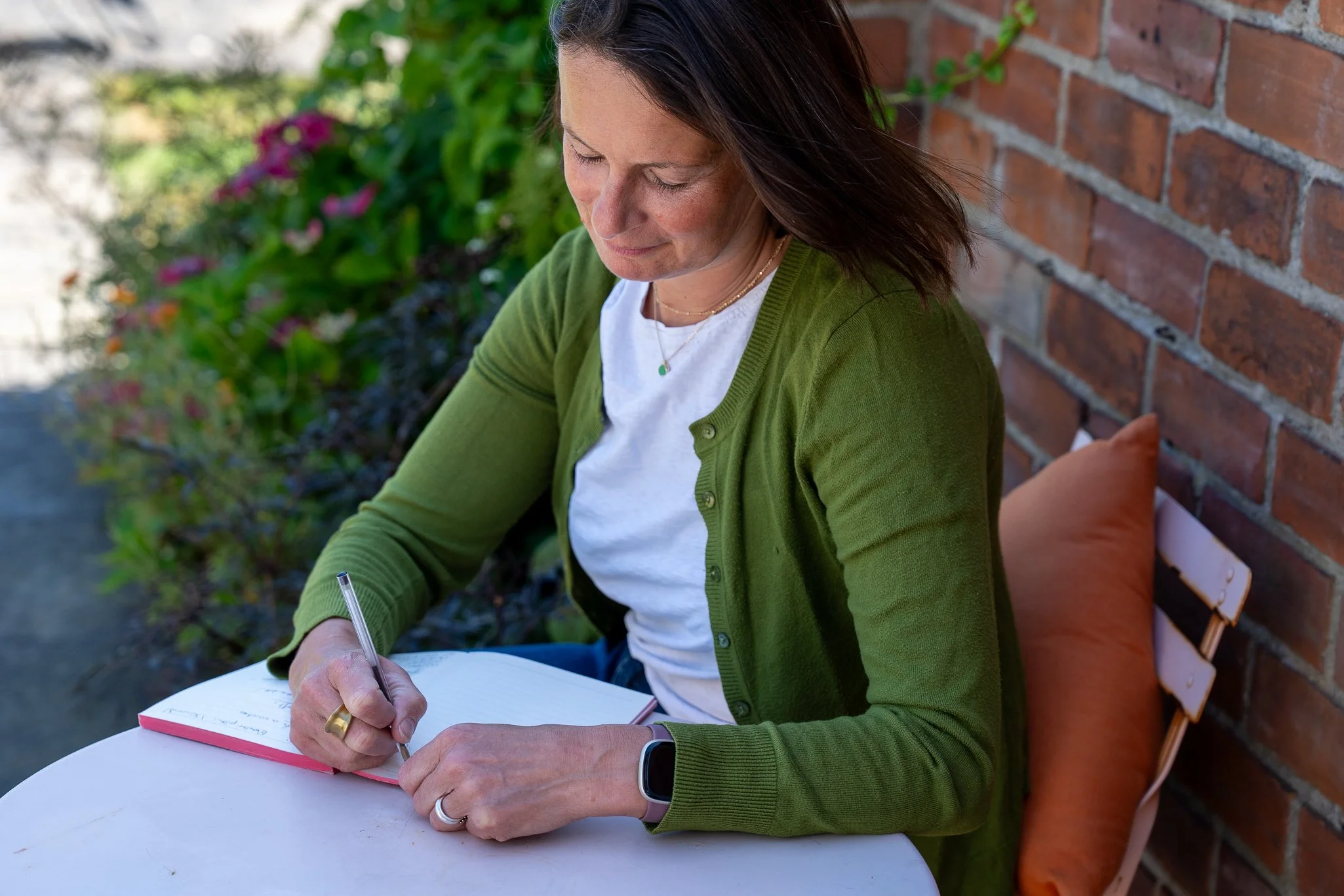
• Linda Harrison is a journalist, PR specialist and strategic storyteller based in York. She helps ambitious Yorkshire SMEs to raise their profile and attract new clients by using 25+ years’ experience working in media, including on national and regional newspapers.
She’s particularly skilled at identifying the story angles that will land in the press, and matching these with her network of media contacts. If you want to work with a local lass who understands the media and really cares about getting results for clients, please get in touch